
As we head into 2026, web design is evolving in exciting ways — from static pages and sterile grids to experiences that feel alive, human, and relevant. Designers and businesses are reimagining how digital spaces can look, feel, and function. Let’s go through the dominant design trends for 2026 and look at what’s getting old, so you can become a trendsetter in web design and keep your site up to date.
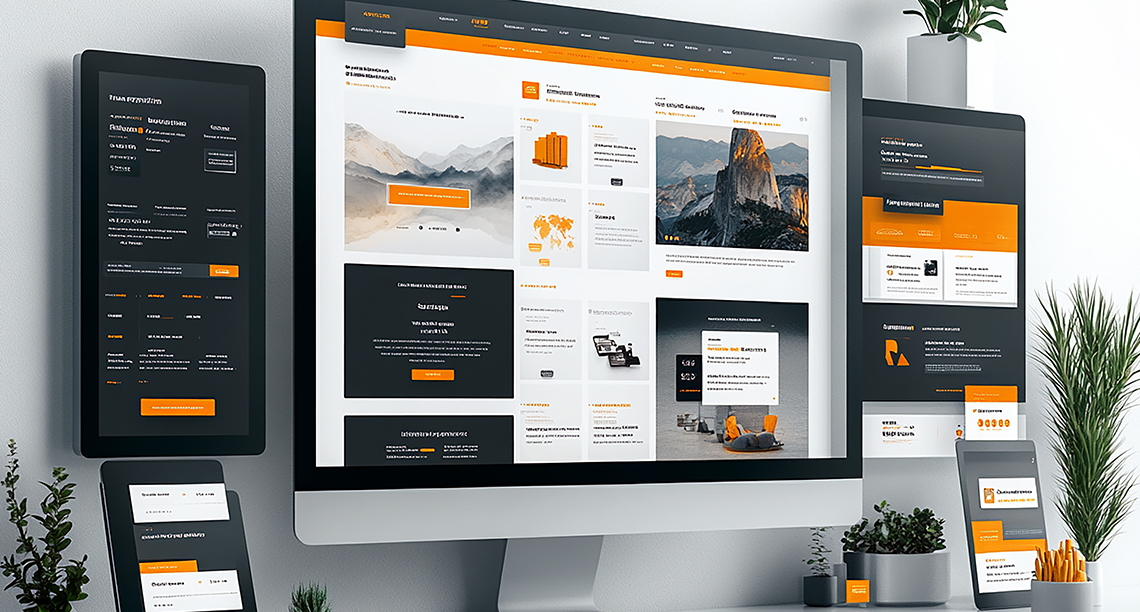
What’s In for Web Design in 2026
1. AI-Powered User Experiences
AI is more than just hype — it’s changing the way we use websites. It’s 2026, and Smart personalization and AI-driven UX are the norm:
- Adaptive content that caters to visitor behavior
- Natural language understanding in AI chatbots
- Automated designs and intelligent recommendations
These characteristics optimize engagement and conversion by providing personalized experiences for every user.
2. Immersive 3D & Interactive Visuals
Gone are the days of hero images that are dead in the water. Interactive 3D assets, discreet WebGL animations, and immersive product presentations have been the hallmarks of site experiences — particularly in e-commerce, portfolios, and other immersive forms of storytelling.
3. Organic Shapes & Anti-Grid Layouts
Stiff grids are out — expressive layouts are in. Expect:
- Soft, flowing shapes
- Layered elements that disrupt our traditional structures
- Natural and human-seeming visual rhythm
This direction adds warmth and character without being cluttered.
4. Dynamic & Kinetic Typography
Text is becoming emotive and brand voice, not just information, with big, animated, and responsive typography. Motion-Activated Style takes storytelling to new heights, pulling users into the content.
5. Micro-Interactions & Motion
Small, deliberate animations — hover effects, scroll cues, and feedback animations — help digital experiences feel intuitive and alive without taking attention away from content.
6. Accessibility-First Web Design
Accessibility is no longer sufficient — it’s a negation of basic requirements and volume practices. High contrast, crisp fonts, keyboard navigation, alt text, and inclusive layouts help brands serve larger groups of people — while also boosting their SEO.
7. Voice-Enabled Navigation
Voice interaction — whether it’s voice search or browser navigation — is also emerging as a standard feature on the web, particularly for people using mobile devices and those with accessibility needs.
8. Sustainable & Lightweight Web Design
Eco-friendly, fast websites are more than just a trend — they’re cliché. Speedy loading, streamlined media & lighter file sizes all contribute to performance and reduce energy usage.
9. Hyper-Personalized Journeys
This is not recommendations-based content and layout personalization. User journeys — from visuals to pricing and messaging — adjust in real time based on the visitor’s profile.
10. Privacy-First Experiences
The denizens of the web are more paranoid about privacy than ever. Explicit consent, no dark patterns, straightforward data policies, and anonymous browsing options also help to establish trust and enhance brand reputation.
What’s Out in 2026
Overly Minimalist Flat Design
This design style — thin,no depth of field whatsoever — is a dying star. People want warmth, character, and depth in their visuals rather than sterile UI.
Rigid, Grid-Only Layouts
In a world defined by humanist design principles, the rigid grid feels antiquated. Boxed-in frames are being replaced with asymmetry and soft layouts.
Generic Stock Photography
Stock visuals are being swept aside by authentic, unique brand imagery — from custom photography and 3D elements to bespoke illustrations.
Static Typography
No longer are the days of set titles and unchanging text. In 2026, motion and responsiveness have given type its own role in storytelling.
One-Size-Fits-All Content
Without personalization, content feels generic. Users today demand experiences that are customized to their identity and intent.
Encrypted Privacy Settings & Dark UX Patterns
Gimmicks like trapping users or cloaking consent are falling away. Transparent, ethical UX design builds trust — and users stick around.
Wrapping Up
2026 is the year when web design gets cleverer, bolder, and more user-friendly than ever before. Websites are not simply interfaces — they are experiences that change, respond, and bond with us on an emotional level. It’s something to consider for designers, developers, or anyone with an online business who wants to take advantage of the latest design developments.
Will you be renovating in 2026? At WireTree, we can assist you in designing a plan that takes advantage of these trends – get in touch!